A storm moves through Colorado Springs, and once the skies clear, you notice shingles in the yard, granules near the downspouts, or a suspicious water stain on the ceiling.
Who should you call first: a roofing company or your insurance company?
In most situations, the best first step is to have a qualified roofing professional inspect the property. An inspection can help you determine whether damage is present, how serious it may be, and whether filing an insurance claim makes sense.
There is one important exception: your family’s safety.
If the damage may have made your home unsafe, the first call should be to your insurance company. At that point, the immediate concern is not whether the roof can be repaired. It is making sure your family has a safe place to sleep while the home is inspected.
When Your Insurance Company Should Be the First Call
Call your insurance company promptly if:
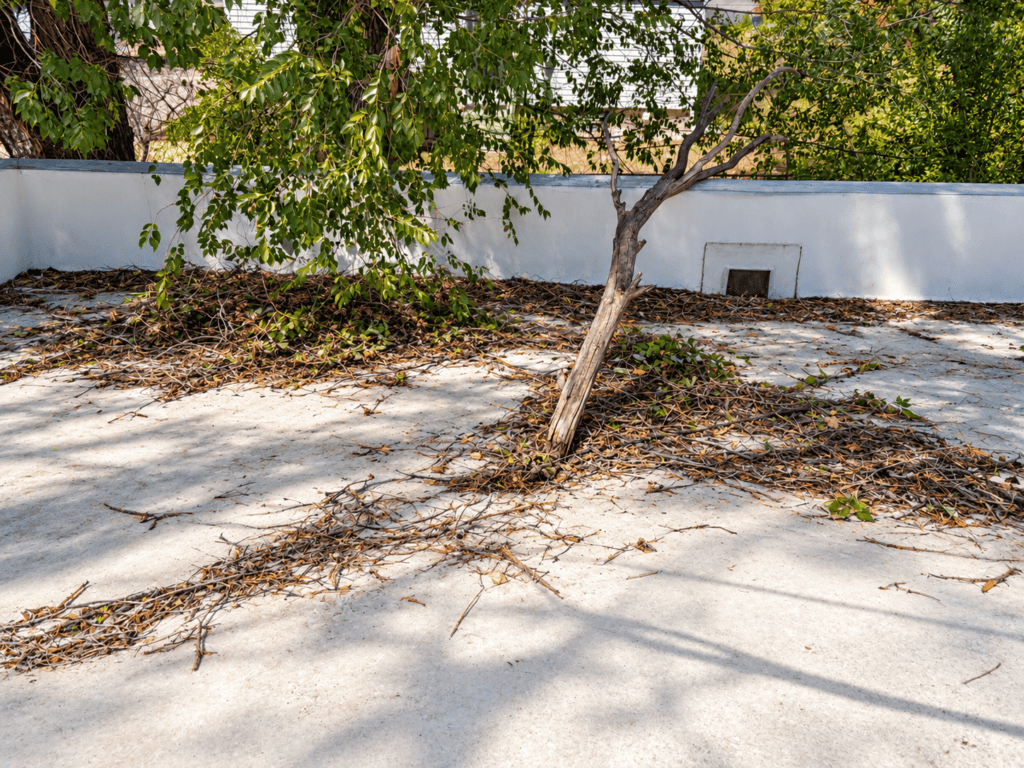
- A tree or large branch has fallen onto the house.
- Water is actively entering the home.
- Part of the roof is missing or has been torn away.
- Ceilings are sagging, cracking, or holding water.
- Electrical systems may have been exposed to water.
- There is visible structural damage.
- You are unsure whether the home is safe to occupy.
If anyone is in immediate danger, leave the home and contact emergency services first. Do not remain inside while trying to determine how serious the damage may be.
Once your family is safe, contact your insurance company. Depending on your policy and the circumstances, your coverage may help with temporary housing, hotel accommodations, emergency repairs, meals, or other expenses if the home cannot be safely occupied.
Ask the insurance representative direct questions:
- Is temporary housing covered under my policy?
- Should my family stay somewhere else until the home is inspected?
- What expenses should I document?
- Are there limits on hotel rates or the length of the stay?
- What receipts will I need to keep?
- What emergency work can be completed before an adjuster arrives?
Coverage varies by policy, so do not assume that every expense will automatically be reimbursed. Save every receipt and keep a written record of your conversations with the insurance company.
Safety Comes Before Protecting the Property
Homeowners often feel pressure to stay at the house, begin cleaning, or stop the damage themselves. That instinct is understandable, but a damaged roof can create risks that are not immediately visible.
Water may be collecting above the ceiling. Insulation may be saturated. Electrical wiring may have been affected. A tree impact may have weakened framing even if the roof still appears intact from the ground.
Do not climb onto the roof, enter rooms with sagging ceilings, or attempt repairs during unsafe conditions. Your belongings matter, but they are not worth risking an injury.
If you can safely do so, take photographs and video from the ground or from an unaffected part of the home. Document visible damage before items are moved. If conditions are unsafe, leave and wait for qualified professionals.
When a Roofer Can Be Your First Call
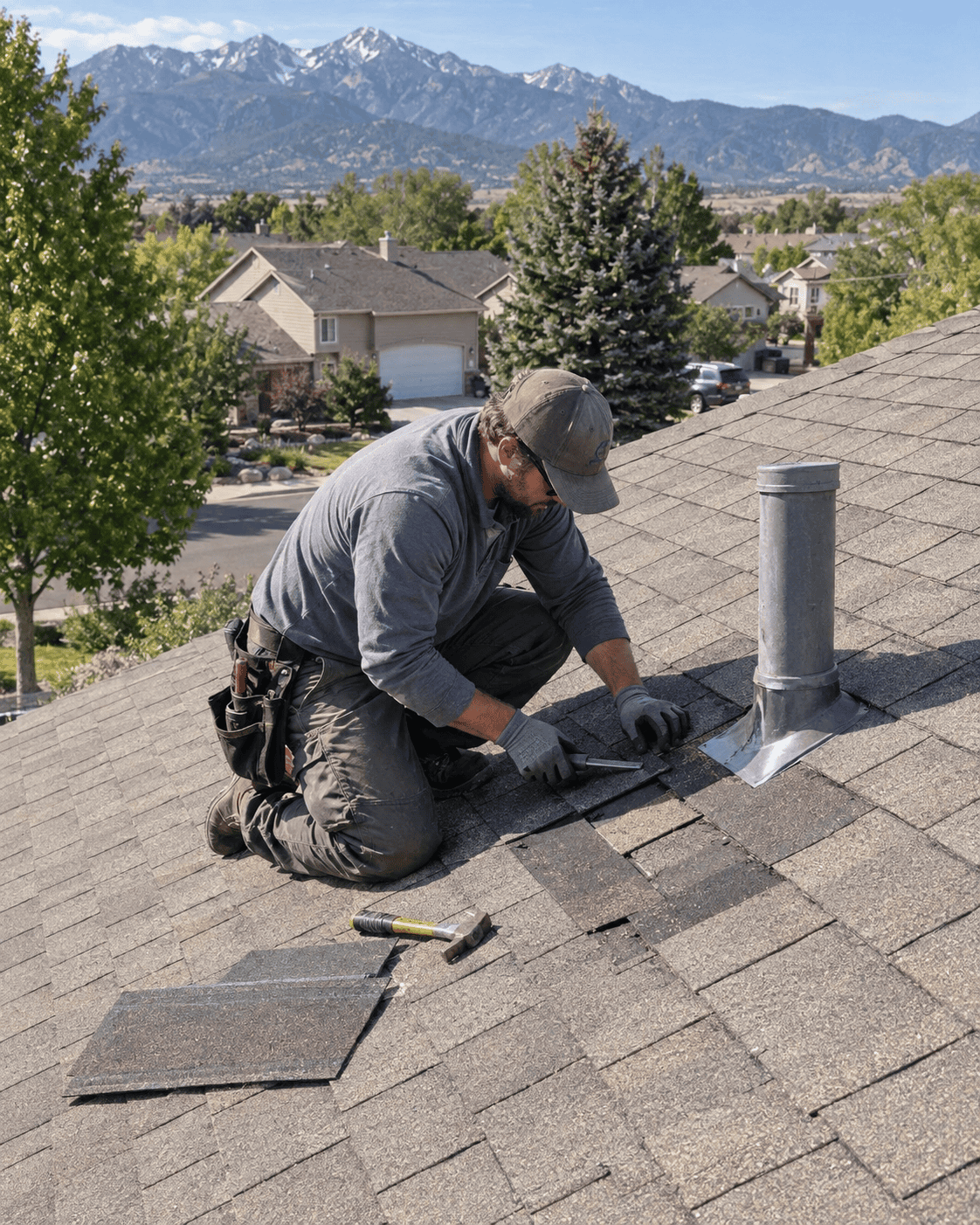
If the home appears safe and there is no active emergency, calling a qualified roofing professional first can help you understand what happened.
Not every storm leaves behind damage that requires an insurance claim. Hail may have fallen nearby without damaging your roof, or the problem may be related to normal wear, an aging seal, or a small repair.
A professional inspection can help answer several questions:
- Is there visible storm damage?
- Is the damage isolated or spread across the roof?
- Does the roof need an immediate repair?
- Is there evidence that water has entered the home?
- Is the damage significant enough to consider an insurance claim?
This information allows you to speak with your insurance company with a clearer understanding of the roof’s condition.
It may also help you avoid filing a claim for a repair that costs less than, or only slightly more than, your deductible. Filing a claim does not automatically mean the work will be covered.
What a Roofer Can and Cannot Tell You
A reputable roofer can inspect the roof, document visible conditions, provide photographs, explain repair options, and prepare an estimate.
A roofer should not promise that your insurance company will approve a claim. The roofer also does not determine what your policy covers or how much the insurance company will pay. Those decisions belong to the insurance carrier and the assigned adjuster.
Be cautious if someone guarantees a full roof replacement before the insurance company has inspected the property. Homeowners deserve accurate information, not promises that another company must approve.
What Happens After You File a Claim?
Once a claim is filed, the insurance company will usually assign an adjuster to inspect the property. You may want your roofing contractor present during that inspection so the contractor can point out documented areas of concern and answer questions about the roof.
The adjuster will evaluate the damage in relation to your policy. The insurance company will then determine whether the loss is covered and provide information about the approved scope of work.
Review the insurance documents carefully. Ask questions if you do not understand the deductible, depreciation, temporary housing coverage, repair requirements, or payment process. Your individual policy controls what is covered, so another homeowner’s experience may not match yours.
A Simple Way to Decide Who to Call First
Ask one question:
Is my family safe staying in the home tonight?
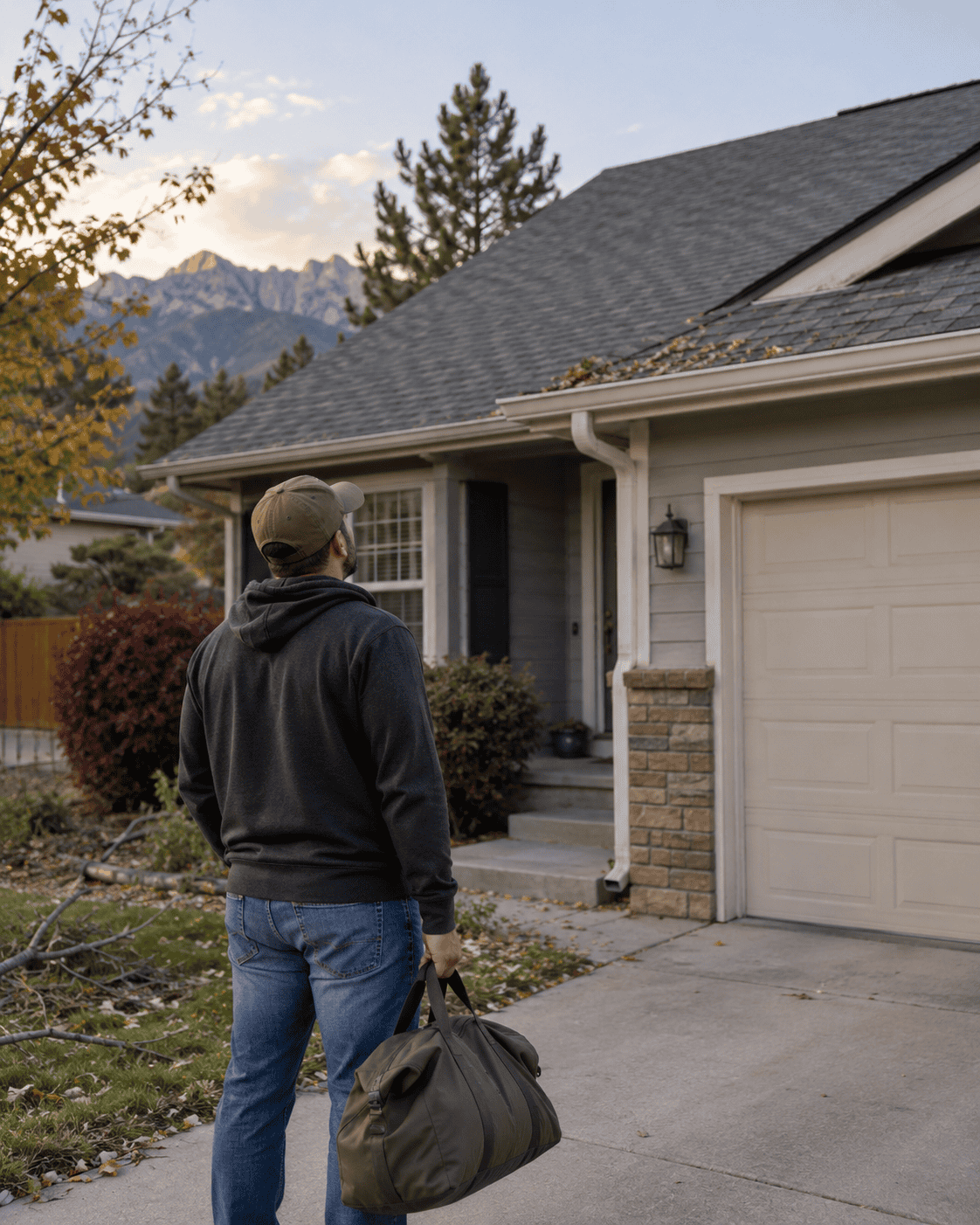
If the answer is no, or if you are uncertain, leave the home and contact your insurance company. Ask about temporary housing and the next steps for having the property inspected.
If the home is safe, there is no active leak, and the damage appears limited, begin with a professional roof inspection. Once you understand the condition of the roof, you can make a better-informed decision about filing a claim.
Start With Safety, Then Gather Information
The first hours after serious storm damage are not about solving every roofing or insurance question. They are about making sure everyone is safe, finding a secure place for your family to stay, and getting the right professionals involved.
Amber Peak Roofing provides residential roof inspections and repairs for Colorado Springs homeowners. If your home is safe but you suspect storm damage, visit amberpeakroofing.com to schedule an inspection and get a clearer understanding of your roof’s condition.